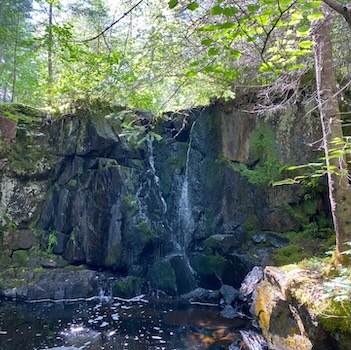
Manitouwadge’s name comes from the Ojibwe word “Manidoowaazh” — meaning “Cave of the Great Spirit.” Long before the mines arrived, this was part of the wide-ranging territory of the Ojibwe people.
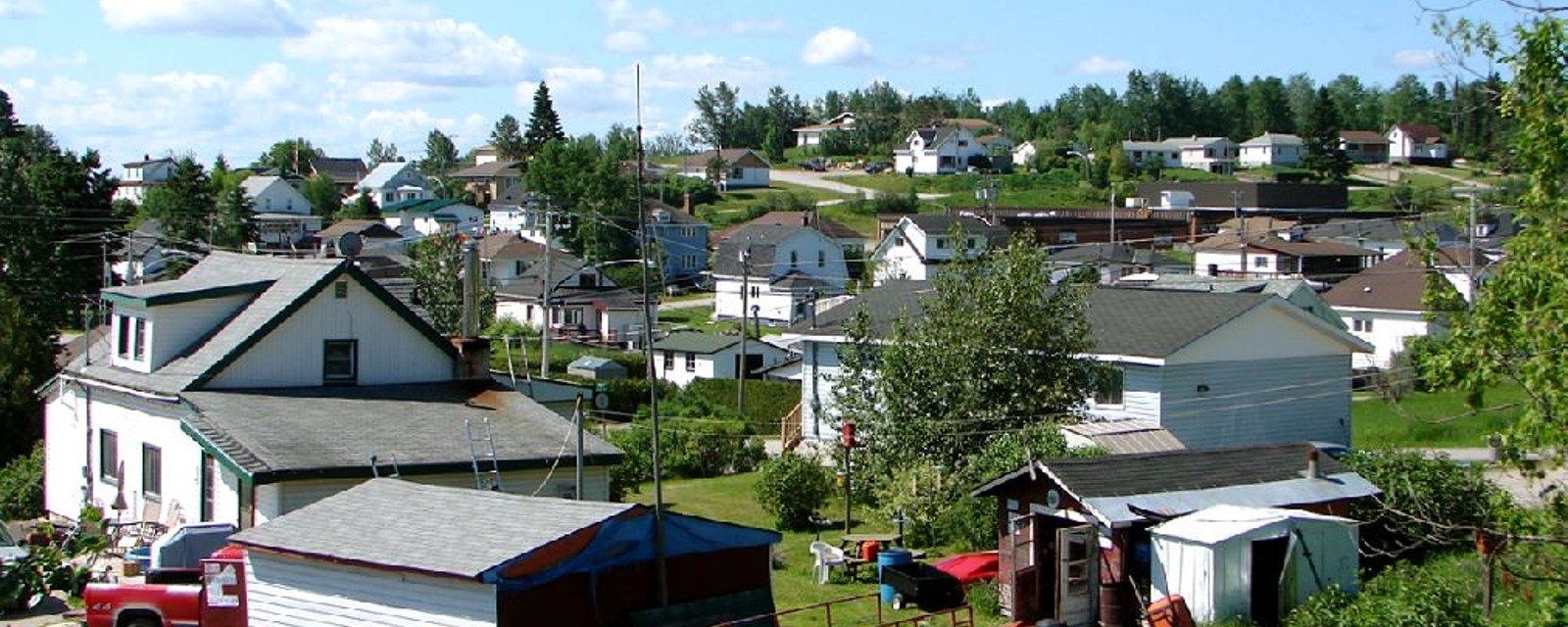
The town was founded after two weekend prospectors, Roy Barker and William Dawidowich, staked copper claims in 1953, sparking a rush of over 10,000 claims in the area. The Ontario government designed the physical layout of the new community as a model mining town — one of the first of its kind in the province.
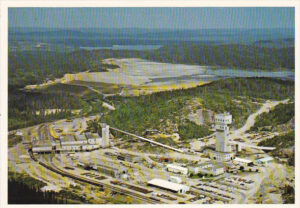
The Geco mine and Willroy mine produced copper, zinc, silver, lead, and gold. Full production began in 1957, and at its peak in the early 1990s, the town was home to nearly 4,000 people. Gold discoveries at nearby Hemlo in the 1980s brought a second boom.
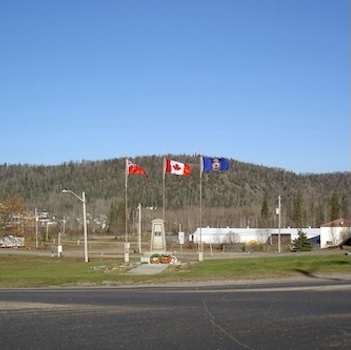
Today, Manitouwadge embraces its heritage while looking forward. It offers some of the most affordable housing in Ontario and a community spirit that’s as strong as ever. A Portuguese-Canadian community, rooted in the mining era, adds a distinctive cultural flavour.
Photos: Beems3, CC BY-SA 3.0, https://commons.wikimedia.org/w/index.php?curid=67471966; https://www.hippostcard.com/listing/canada-aerial-view-geco-mines-manitouwadge-ontario/2276017