

By Castor Date: Monday, May 25, 2026 Reading time: 11 minutes
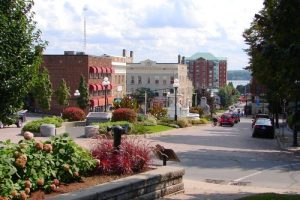
Towns Castor mentioned this week
Today, Castor is writing from White River, Ontario — a small town preparing for the hundredth anniversary of the book everyone knows.
The 36th Annual Winnie’s Hometown Festival runs August 13–16, 2026. Mark the calendar. White River will be worth the drive in August 2026.
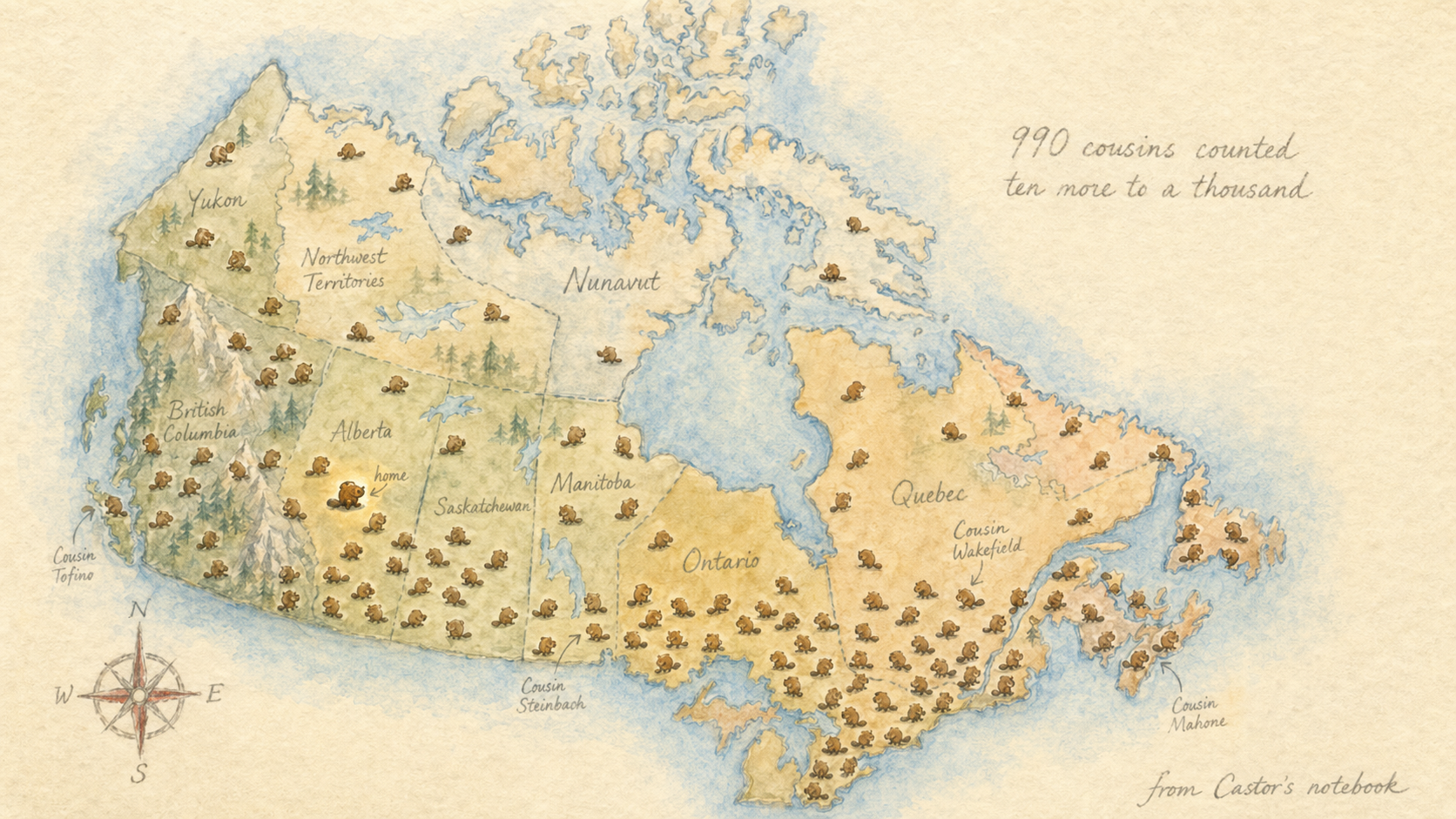
Castor’s Letters is becoming a Canadian small-town weekly — 990 cousins reporting in from across the country, and growing.
Elsewhere in this final May issue: news from cousins coast to coast, an answer to a reader’s question, and a good deal of small-town Canada besides.
If there is a town you have been wondering about, write to Castor. He will ask his cousin there.
Happy discoveries. — The 1000towns team
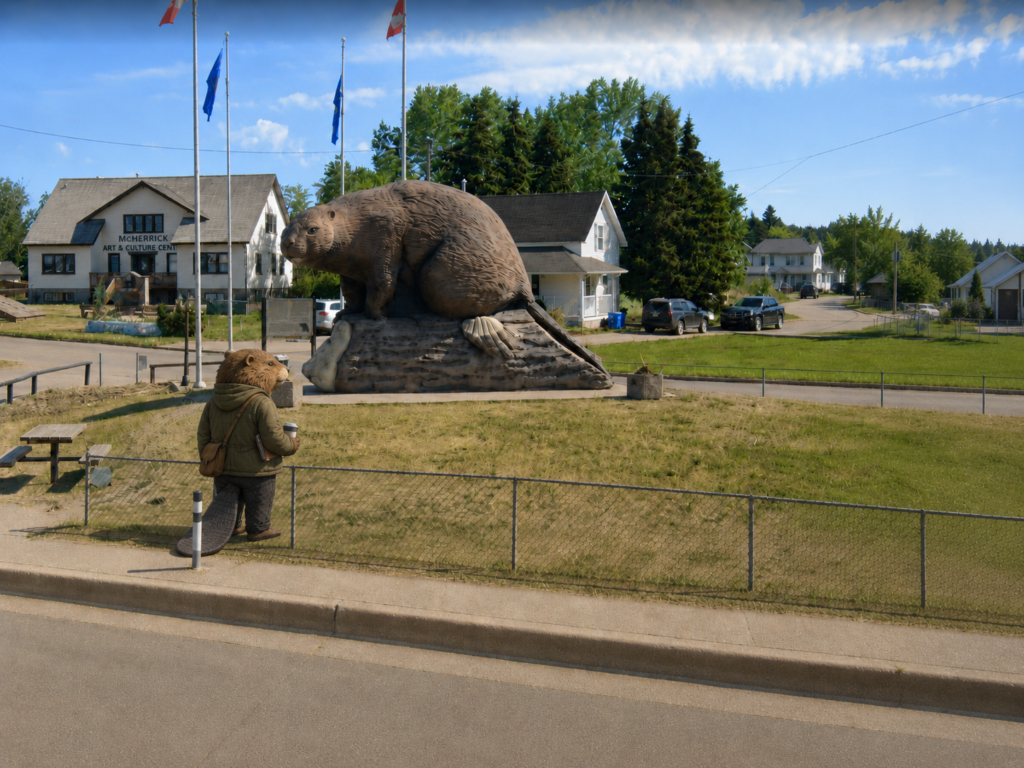
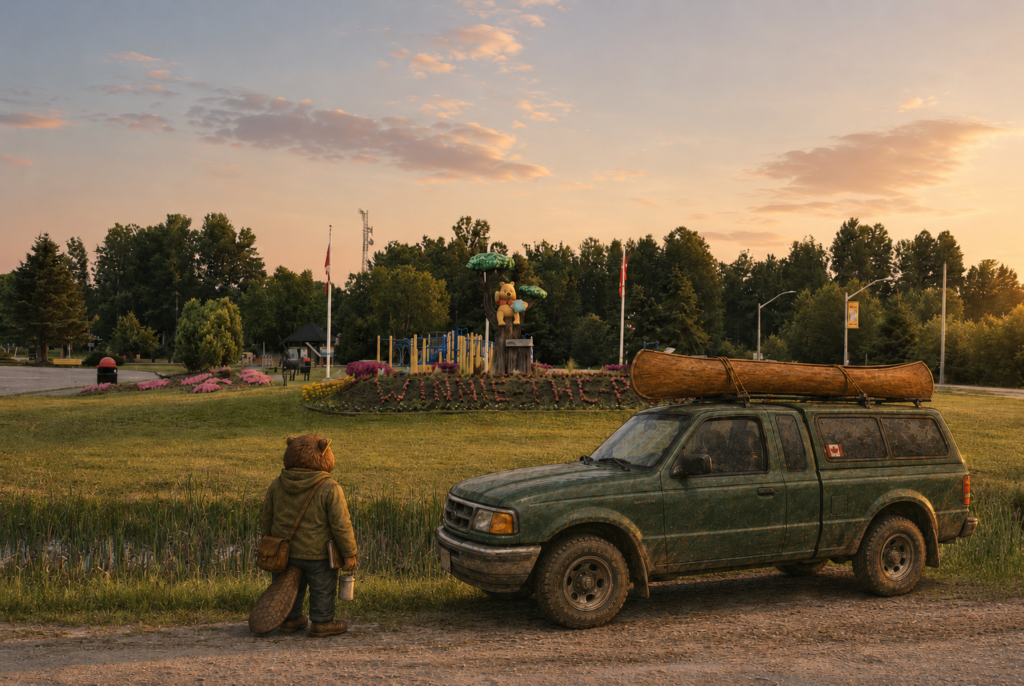
Castor at the Winnie statue, White River, Ontario — Monday morning, May 25.
Monday morning, early. I drove into White River, Ontario, just after sunrise.
The bear is the first thing you see — high up in a small park beside the highway, with a paw raised, the way you raise yours when a car you know goes by.
I parked at the diner. I have a thermos and a notebook. The town behind me is doing what small towns do on a Monday in May — sweeping front steps, opening the diner, idling a truck while someone runs in for coffee.
The transport drivers along the Trans-Canada Highway honk at the Winnie the Pooh statue without slowing down. They have been doing it for years.
White River’s population is around six hundred, give or take those who are home this week. The 36th Annual Winnie’s Hometown Festival starts here on August 13th. Tonight at half past six, in the community hall, the planning committee meets again. I am here to listen.
You probably know why this town matters, even if you didn’t know it was this town.
* * *
In August of 1914, a young Winnipeg veterinarian named Harry Colebourn was on a train east, on his way to the war. The train stopped at White River station. On the platform, a hunter was selling an orphaned black bear cub.
Colebourn paid twenty dollars, named him Winnipeg after his hometown, and took him as far as England. When he shipped out for France, he left him at the London Zoo.
A small boy named Christopher Robin Milne used to visit him. His father wrote a book.
The book is one hundred years old this year. Or rather — the first one, the one that opens with a bear coming downstairs “bump, bump, bump, on the back of his head, behind Christopher Robin” — was published in October 1926.
* * *
Which makes 2026 the year. Which is why this town of six hundred has been working all winter on a festival nobody outside Algoma Country has heard about yet.
I am the one writing you about it and not someone else, and I should tell you why.
In Castor AB, my mother read me the Pooh book when I was a kit. It was the green Methuen copy with the line drawings, the one where Pooh is too round to fit through the door.
She read it slowly, the way she read everything, with one paw on the page so the wind off the river didn’t turn it for her.
She read it to me because Henri had read it to her when she was a kit, in the same chair, with the same copy.
Henri was the practical one in the family. He kept a notebook. He could tell you the price of feed in any year you asked. He also believed that the best way to teach a young beaver about the world was to read her a book about a bear who is fond of honey and not very clever and loved anyway.
So when I tell you that a town of six hundred people in northern Ontario is preparing — quietly, on volunteer time, on Monday nights in May — for the hundredth birthday of a book about a small boy and his bear, understand that I am not writing about a news hook.
I am writing about a family book.
The diner is open. The committee is meeting at half past six. The bear is keeping an eye on the highway.
This is what 1000towns is for.
— Castor
Castor’s grandfather, on small-town Canada — entries from the 1960s and 70s
May 1956.
“The Robertsons opened the lodge at Barry’s Bay, Ontario, three days too early. Eleven

black flies came in with them through the screen door.
They pretended it was nothing for the first hour. Then the wind dropped, and there were a hundred. Everybody slept in the truck.
The lodge re-opened in late June. The flies stop when they stop. Nothing else.”

May 2026. White River
“The flies started Saturday. They will be out two weeks, give or take.
Wear pale colours. DEET works; picaridin works; lemon eucalyptus oil works and smells better.
Cover the back of the neck — that is where they will find you.
Walk where the wind is steady.
Dawn and dusk are the worst hours; the middle of a hot afternoon is often quite tolerable.
The Canadian songwriter Wade Hemsworth — surveying on the Little Abitibi River in the summer of 1949 — wrote a song called “The Black Fly Song.”
The National Film Board made an animated short of it in 1991 (called “Blackfly,” by Christopher Hinton). Both are on YouTube. Listen once before Canada Day. It will help.
The season ends. It always ends.”
A memory from another town
I was in Hay River, Northwest Territories, the year the ice went out late.
Great Slave Lake sits north of the town like a private ocean. Most years the ice goes out by the third week of May. The year I am thinking of, it did not go out until the second week of June.
The whole town watched the lake. The fishermen ran their boats up to the edge of the ice and back. The kids stopped asking when. The woman at the bakery told me the lake was just stretching.
When the ice finally went, it went in one afternoon. By evening, you could see open water all the way to the horizon. The boats went out at first light the next morning.
I have thought of her every late spring since.
What Castor’s cousins are seeing in their towns this week
→ Cousin Brockville (Ontario) sent photos. The whole of King Street West turned into a pirate weekend on Saturday — Shop the Street: A Pirate’s Paradise. Costumes in shop windows, vendors along the waterfront, the St. Lawrence doing what the St. Lawrence does. He says the eye-patch demographic skews older than you would think.
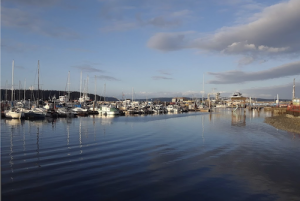
→ Cousin Port McNeill (British Columbia) called from the woods. Logger Sports on the North Island this weekend — axe throwing, log rolling, climbing, the chainsaw events. He had to hang up because his event was next. He said come for the smell of cedar. He said the cedar smell is the point.
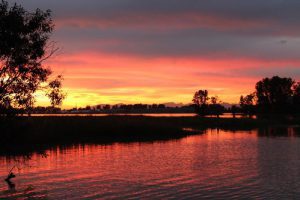
→ Cousin Ladner (British Columbia) wrote a long letter, which is unlike her. May Days are on. One of the oldest community festivals in BC and somehow still feels local. Parade, fastball, beer garden, fishing-village light off the Fraser. She says the parade is short. She says that is by design.
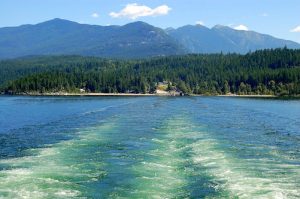
→ Cousin Crawford Bay (British Columbia) wrote on the back of a market flyer. The Sunday market is open for the season in the Kootenays. Woodworkers, potters, mountain weather, the kind of market where you finally buy the bowl you have been thinking about for a year. He says the bowl is always there. He says you will know it when you see it.
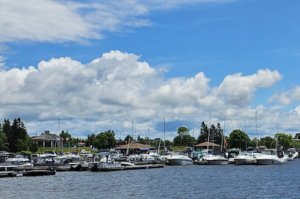
→Cousin North Bay (Ontario) said: “Watch this. Enjoy.” Tourism North Bay made a short film called Nothing, Nowhere, Everywhere: North Bay. The premise is that there is nothing to do there. The film disagrees with itself in lovely ways. Cousin says the whole town has been watching it. He wants everyone to. Better than most marketing because it is funnier than most marketing.

Things Castor has picked up on the road
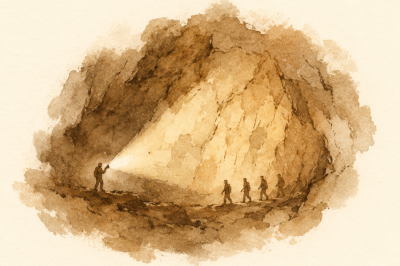
The name comes from an Ojibwe phrase usually translated as “Cave (wadj) of the Great Spirit (Manitou),” for a cave by the lake the town sits on. The story has lasted because the cave has.
Cousin Manitouwadge says the school still takes Grade Five there once a year, with flashlights, in single file.
Most Canadian towns are named after surveyors. This one is named after a place spirits used to keep.
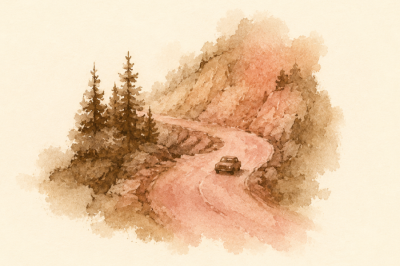
You could not drive to Killarney until 1962. Before that, it was boats.
After 1962, it was a thin road blasted through Georgian Bay’s pink quartzite — Highway 637, which is still the best way to get there and the only way that has ever existed.
Cousin Killarney says some of the older boatmen never quite forgave the road. They did not stop using the boats. They just had something new to complain about.
Gimli was founded by Icelandic settlers in 1875 and is still the heart of Icelandic Canada — Íslendingadagurinn, the Icelandic Festival, fills the town every August.
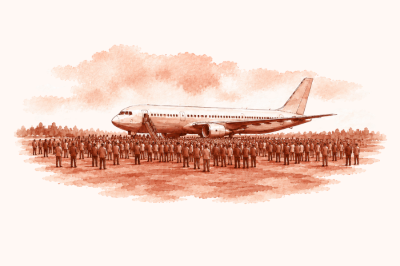
The other thing you should know about Gimli happened in 1983. An Air Canada 767 ran out of fuel at thirty-six thousand feet. The captain — a glider pilot on weekends — glided the jet to the old Gimli airstrip, which was being used that afternoon as a drag-racing strip. The drivers got out of the way.
The plane landed. Nobody died. They call it the Gimli Glider.
Cousin Gimli says the only thing more Manitoban than gliding a 767 to a safe landing is doing it without a fuss.
Where to go this weekend, with a tip from Castor’s cousin there
I drove Highway 17 last fall on my way to Thunder Bay, Ontario. I stopped at Nipigon because a cousin had told me to. I stayed the night.
Most travellers blow past Nipigon on the way somewhere else, which is the easy mistake. The town sits where the Nipigon River meets Lake Superior, on a stretch of north shore that competes with anywhere in the country for a quiet view.
There is a pedestrian bridge — properly the Nipigon River Cable-Stayed Bridge, but no one calls it that — that you can walk in the evening when the light is going.
The town is small. The river is enormous. The lake is the lake.
The cousin who sent me there said: go for the night, eat, walk the bridge.
That is still the recommendation. Drive the rest of the way to White River with the windows down.
You write Castor. Castor asks the cousin there.
→ Roger Tiessen wrote on the 1000towns Wheatley, Ontario, page on May 21: “When is the big boyz four-day fishing contest this 2026 summer, thanks.”
Roger — I called Cousin Wheatley as soon as I saw your note. Here is what he said.
The official 2026 dates are not posted yet. The Big Boyz Tournament has run on the Civic Holiday long weekend for as long as the Southwest Outdoors Club has organized it, out of Wheatley Harbour.
In 2024 and 2025 it ran August 1–5 — four days centred on the holiday Monday. He says to expect the same shape for 2026: very likely Friday, July 31 through Monday, August 3, give or take a day depending on when the club locks the calendar.
He says the club posts the official dates on their site when they have them. He says we will repost the moment they do.
He says: Wheatley Harbour. First weekend of August. Lines in by sunrise. Bring a cooler. Come hungry. The fish fry is the point.
Thanks for writing, Roger.
— Castor
A puzzle this week. The answer is in next week’s letter
Last week, four clues:
→ There is a ten-ton beaver statue at the edge of town.
→ It was carved from a single piece of concretein 2004.
→ The town’s name predates the statue by more than a century.
→ Population: two thousand. I am the southern gateway to the Peace Country.
Several of you wrote in. Three of you got it. One of you sent a photograph of yourself at his feet. We have framed it metaphorically.
And the answer:
Last week, I was standing in front of the world’s largest beaver, in Beaverlodge, Alberta.
He has been there since 2004. He is fifteen feet tall, holds a stick, and looks west toward British Columbia like he is thinking about it.
No new puzzle this week — Roger’s question took the slot in the rotation. New puzzle returns next issue.
The bear is still here. The diner is open. The meeting is at half past six.
I’ll write next week from somewhere else.
Got a town in mind? Write to me. I’ll ask the cousin there.
Yours in maple,
P.S. 990 cousins counted. Ten more to a thousand.
Castor’s hometown is Castor, Alberta — population 876, where the streams east of Red Deer kept the family in dam-builders for generations.
Subscribe to Castor’s Letters
Castor writes the Castor’s Letters column for 1000towns. New letters arrive and are published each week — and a day earlier in your inbox if you’re subscribed.
You have successfully joined our subscriber list.