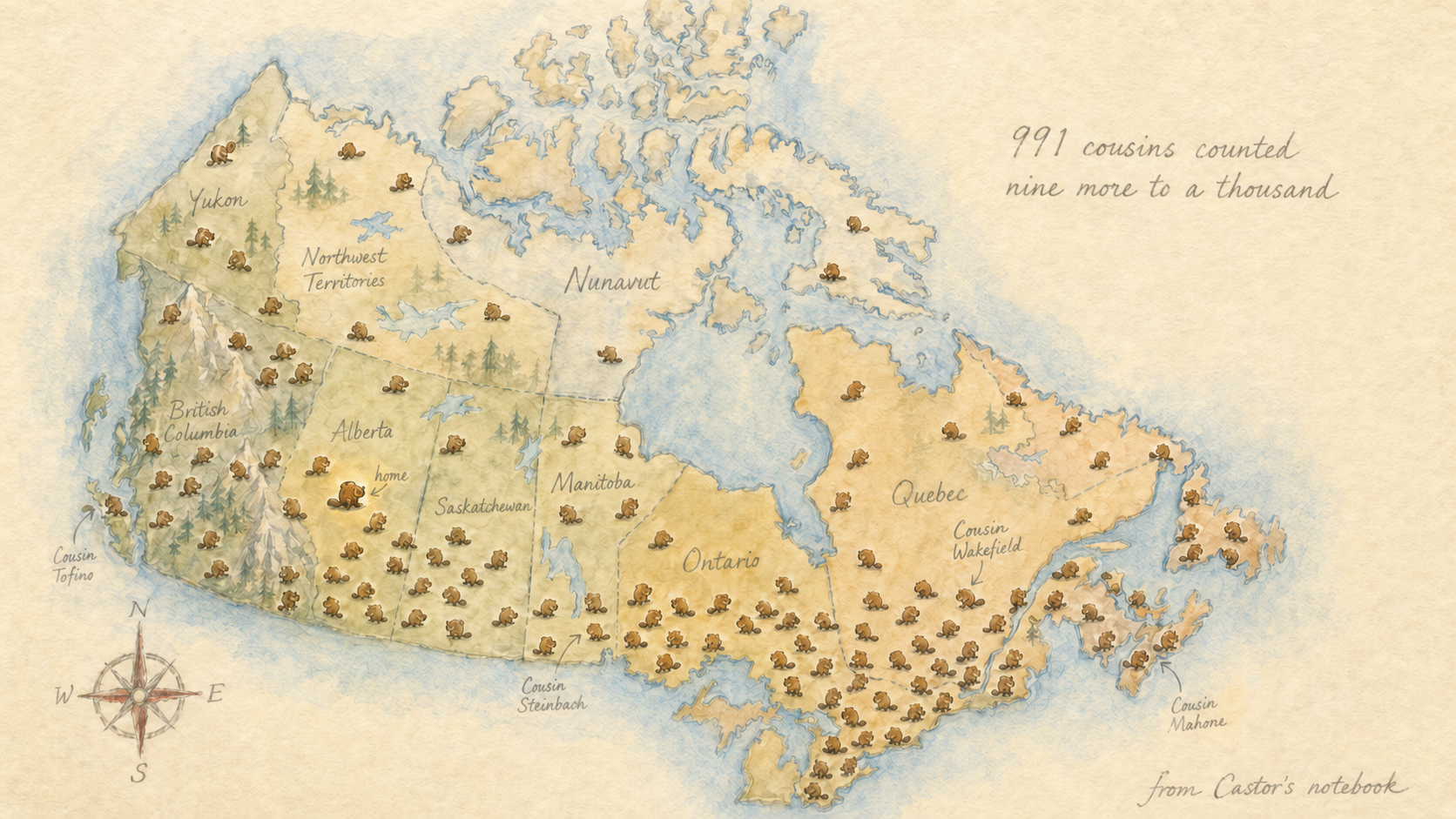


Every small town has a story. We've mapped992of them.

Castor’s Letter, No. 7

Taber’s Twelve

Twelve southern Alberta towns gave a thirteenth their ice this winter
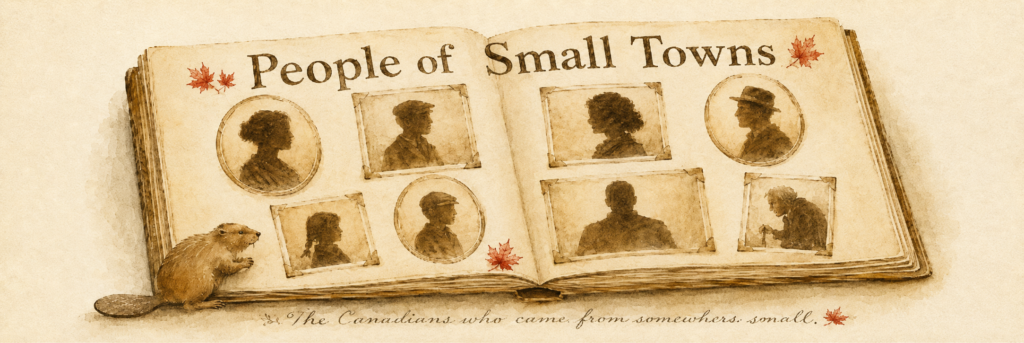
Alan Doyle in People of small towns
A forbidden island off Vancouver Island holds half the world’s Cassin’s auklets
News from seven provinces and one territory besides.

By Castor Date: Monday, June 15, 2026 Reading time: 12 minutes

The watercolour illustrations in Castor’s Letters are made with a mix of original photography, editorial design, and AI illustration tools, curated by our team. Words and editorial decisions are entirely human.

castor_maple_leaf_pin_canonical

EDITOR'S NOTE

What does a small Canadian town do when one of its buildings falls down? It asks its neighbours. It calls its cousins. It waits for the season to turn.

Castor visits three of those answers this week — Taber, Alberta, where the rink came down three days before Christmas; Petty Harbour, Newfoundland, where Alan Doyle learned the songs his father knew; and Naramata, British Columbia, where Castor once sat on a dock and watched the water for an hour.

Also in this issue: a village of a thousand people hosting four world premieres, a Lake Huron village turning a hundred and fifty, and a Manitoba weekend that the polka band knew was the first warm one.

Sunday is the longest day of the year. It is also the 30th anniversary of Canada’s first official observance of a national day for Indigenous peoples. We have something for that too — in the two notebooks below.

If there is a town you have been wondering about, write to Castor. He will ask his cousin there.

Happy discoveries. — The 1000towns team

THE WEEK’S LETTER

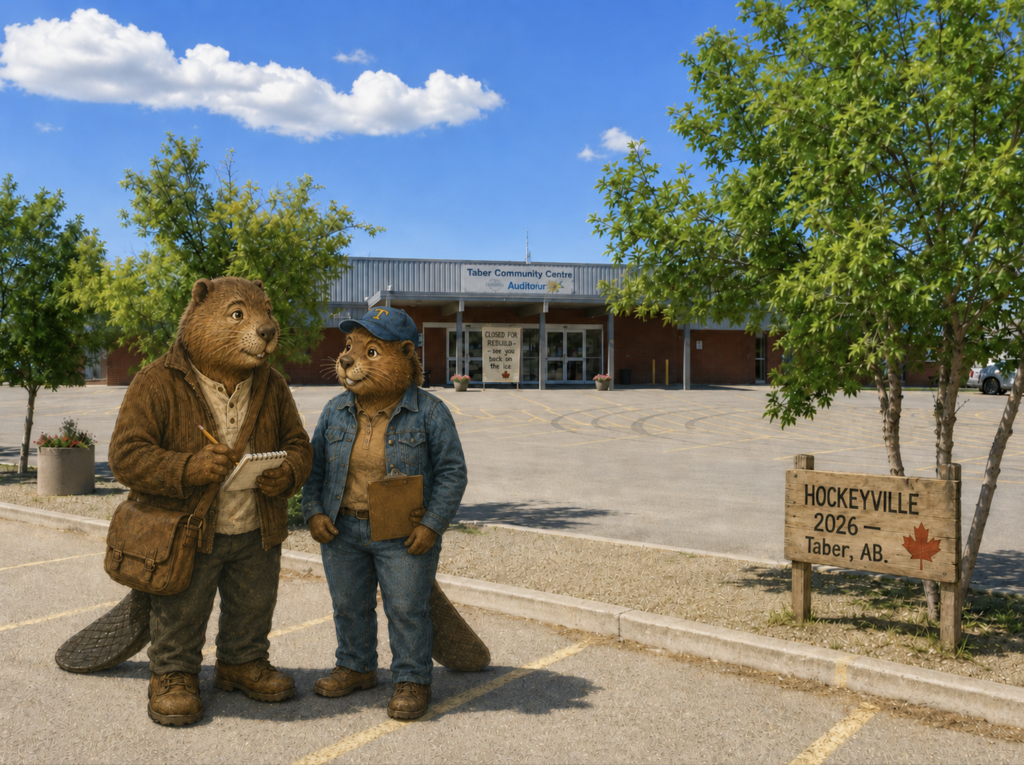
Castor and cousin Taber outside the Taber Community Centre. Wednesday morning, June 10, 2026.

Dear 1000towns —

On a morning of April, somebody in Souris, Prince Edward Island, voted for a town she had never been to. So did somebody in Carleton-sur-Mer, Quebec. So did somebody in Twillingate, Newfoundland.

The town they voted for was Taber, Alberta.  And that morning, on Hockey Night in Canada, Taber was crowned Kraft Hockeyville 2026.

I came out two months later.

I have been staying with Cousin Taber. She has a small house on the south side of town with a kitchen that smells of coffee and a bay window over the back alley. She has been the volunteer chair of more committees than she can remember the names of.

By the time I got there, the Hockeyville flowers in Cousin Taber’s kitchen had wilted, the news crews had gone home, and the actual work was just starting. Cousin Taber said it was the right week to come.

We sat at that bay window every morning this week, and she told me things in the order she felt like telling them.

April 4th first. December 17th, second. The twelve neighbours who got Taber through the winter in between, all the way through.

On Wednesday morning, she walked me down to the Centre. We stood outside the closed doors for an hour.

I will try to tell it the same way.

* * *

April 4th was the announcement. A camera crew at the Aquafun Centre. Two hundred and fifty thousand dollars from Kraft for arena upgrades, plus fifty thousand more for being the Alberta provincial winner, plus the right to host an NHL pre-season game in the fall.

Cousin Taber says her phone rang for six days straight. She says people sent her flowers, and she does not know what to do with all of the flowers.

A retired schoolteacher in Yellowknife wrote her a letter. A youth team in O’Leary, Prince Edward Island, sent fifty dollars and a card signed by every player. A grandmother in Sundridge, Ontario, who had never been west of Sault Ste. Marie, sent fifty dollars and a note that just said we know.

It is the twentieth year of Kraft Hockeyville. Since 2006, the contest has paid out over five million dollars to a hundred and five small Canadian towns to fix their rinks.

Six of the past winners are cousins of mine on this network: North Bay (2007). Dundas (2010). Conception Bay South (2011). Stirling-Rawdon (2012). Lucan (2018). Elliot Lake (2024).

Now Taber too.

A list of small Canadian towns the country has voted for in twenty years is, if you read it carefully, a small Canadian atlas of where the game actually starts.

* * *

December 17th was the explosion.

Cousin Taber tells it without raising her voice. Four o’clock in the afternoon. A propane leak from the fuel system of the ice resurfacer. A gas cloud that filled the small arena room. An electric heater. The walls of the small ice rink did not stand. The concrete blocks shifted out of place. The garage doors came off.

Twelve people were inside the building. Nobody was hurt. The local officials called this a miracle. Cousin Taber says she still does not have a better word for it.

The investigation closed in January: no human error.

The total bill to rebuild the Community Centre to its original state is eleven million dollars. The town has committed six. Kraft Hockeyville added three hundred thousand. There is a almost five-million-dollar gap. The town has formally asked Ottawa. It is in discussions with Alberta. It is talking, also, to anyone else who will listen.

But this letter is not about the gap.

This letter is about what filled the months between December 17th and April 4th, in the wrong order, because that is the part Cousin Taber wanted me to write down.

* * *

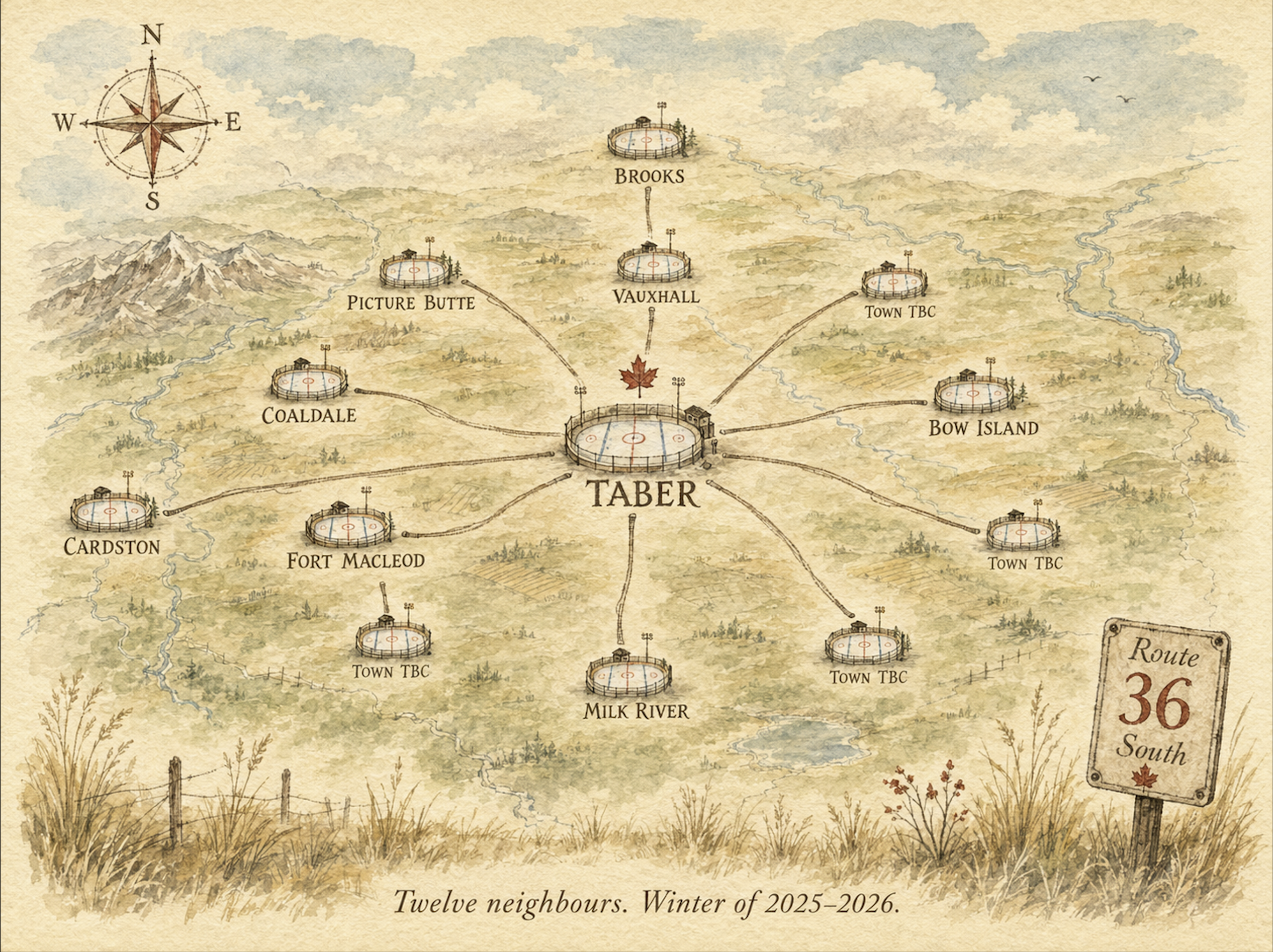
Within twenty-four hours of the explosion, twelve communities in southern Alberta had called Taber and offered ice. Bow Island, half an hour east. Coaldale, half an hour west. Picture Butte. Vauxhall. Brooks. Cardston. Fort Macleod. Milk River. Plus four more. Nobody asked. They offered.

The hockey kids of Taber have been driving thirty-five kilometres east to skate, or fifty kilometres north, or all the way to Brooks. Hockey moms driving forty minutes each way in the dark of January at minus thirty. The figure skaters too. The adult league split its season across six different rinks.

Cousin Taber says she would name all twelve donor towns if she had room. She does not, in this letter, but she will — eventually — on a wall inside the new building. She says they have already chosen the spot.

A hockey mom in Coaldale is a hockey mom in Twillingate is a hockey mom in Carleton-sur-Mer. The kid in the back seat eats the same granola bar. The dad in the front seat drinks the same gas-station coffee. The sun comes up over Coaldale the same way it comes up over Naramata, or Bonavista, or Petty Harbour, or Eastend.

That is what voted for Taber in April. That is what called Taber in December. That is what this country is, if you read it right.

Cousin Taber says it the way a Newfoundlander says it about a cod town.

The way a prairie grandmother says it about a hamlet that lost its grain elevator.

The way every small Canadian town has been saying it about every winter that took something away.

She says: we stayed.

The walls of the small arena will be back. The Aquafun Centre next door stayed open through the winter and is still open.

The new building will hold the names of the twelve neighbours on a wall, where the small ice will be again.

Cousin Taber says she wants the wall to be called Taber’s Twelve. She says she is pretty sure she invented the name. She is not entirely sure.

She wants the names painted, not engraved. She says engraving lasts longer. She says paint is more honest.

Paint means somebody has to keep doing it.

— Castor

Castor’s grandfather, on small-town Canada — entries from the 1950s, 60s, and 70s

June 21, 1957, Inuvik, Northwest Territories.

“I flew in on a bush plane from Norman Wells two days ago. The town is barely here yet — concrete pads, a few wooden buildings, the Mackenzie running past.

The longest day of the year. The sun did not set. I stayed up until two in the morning and the light did not change. A drum from a Gwich’in camp by the river.

I had not understood, until tonight, what a long day really means.

— Henri”

June 21, 2017, Inuvik, Northwest Territories.

I was in town for the longest day of the year when the announcement came. The Prime Minister had renamed the day.

Until that afternoon it had been National Aboriginal Day. Now it was National Indigenous Peoples Day.

Same day. Same midnight sun. New name.

The National Indian Brotherhood — now the Assembly of First Nations — had asked for the day in 1982. Governor General Roméo LeBlanc made it official in 1996. Justin Trudeau renamed it in 2017.

Wherever you are on June 21st, look up around nine o’clock. The sun will not be quite down yet.

Where I am writing this from, it never quite is.

— C.”

What Castor’s cousins are seeing in their towns this week

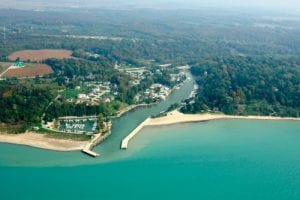
picture of bayfieldCousin Bayfield (Ontario) turned a hundred and fifty this weekend. People came home for it from across the country and a few from across oceans. She says she met a Bayfielder who flew in from Tokyo. She says she met one who drove from Edmonton. She says she met one whose grandfather had left the village in 1954 and who had never been back. She says the village’s whole 150-year history walked down the main street on Saturday.
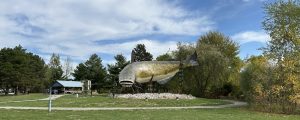
Cousin Dunnville (Ontario) called Friday morning, hoarse from cheering. The Mudcat Festival turned fifty this week. Fifty years of the same parade down Queen Street. Same floats. Same 1970s theme. She says her grandfather wore the same shirt to the 1976 parade. She says her grandson borrowed it for this one.
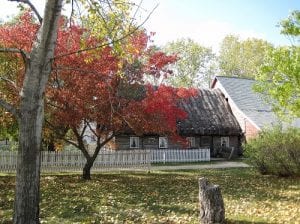
Mennonite Heritage Village, Steinbach, Manitoba, CanadaCousin Steinbach (Manitoba) sent photos from Summer in the City. A polka band on Saturday night. Face paint on Sunday morning. A long table of perogies that emptied in two hours. She says it was the first really warm weekend of the year. She says the polka band knew it too.

picture of bayfield→Cousin Blyth (Ontario) wrote on the back of a program. The Blyth Festival opened on Wednesday — five new Canadian plays this season, four of them world premieres, in a village of about a thousand people. He says the box-office line was around the block. He says nobody from outside the village seems to know how the village does it. He says they do it anyway.

castor_worth_the_drive_road_sign

WORTH THE DRIVE

Where to go this weekend, with a tip from Castor’s cousin there

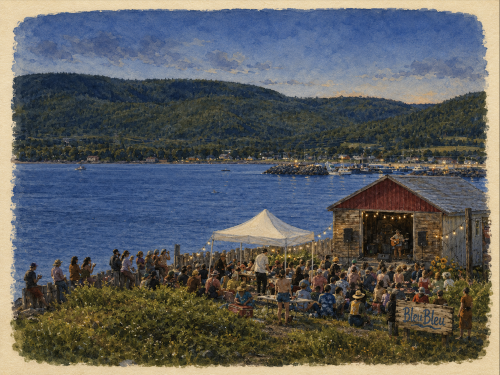
→ Festival BleuBleu — Carleton-sur-Mer, Quebec – June 18 to 21

The music festival in Carleton-sur-Mer is named for a colour.

Bleu like the Bay of Chaleur on a clear morning. Bleu like the kind of sky you only get on the Gaspé in June. Bleu repeated, as if to make sure: BleuBleu.

Cousin Carleton-sur-Mer says you cannot describe the colour, but everyone there knows it.

The festival runs Thursday June 18 to Sunday June 21 — twenty or so performances, in venues from a community hall to a wharf, mixing folk, traditional Gaspésien song, contemporary Quebec, and whatever else the lineup decides to bring along that year.

Carleton-sur-Mer sits on the southern shore of the Gaspé, looking south across the bay to New Brunswick. About four thousand people live there.

Cousin Carleton-sur-Mer says BleuBleu started because someone said the town deserved a festival of its own, and a handful of people who were tired of driving to Quebec City for music agreed. She says it has been growing for years.

She says you should park once and walk everywhere.

Carleton-sur-mer
WORTH KNOWING

WORTH KNOWING

Things Castor has picked up on the road

The most crowded place in British Columbia has no humans on it.

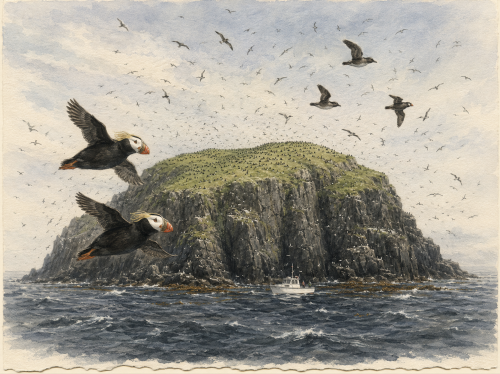
It is called Triangle Island. Forty hectares of rock and grass off the northern tip of Vancouver Island, in the open Pacific. Permanently uninhabited. Permanently off-limits to the public.

The reason it is crowded is that it holds, by some counts, the densest seabird colony in British Columbia: about a million Cassin’s auklets — roughly half the world’s population — plus eighty thousand rhinoceros auklets and sixty thousand tufted puffins.

Researchers staging out of Port Hardy have been going there for three decades, by boat and helicopter, to band and count and weigh, and to track what a warming Pacific does to a colony of two million birds.

Cousin Port Hardy says the researchers come into town for fuel and groceries before they go back out. She says they look tired and happy.

port hardy BC
WHERE AM I copy

Killarney, Ontario

You could not drive to Killarney until 1962. Before that, it was boats.

After 1962, it was a thin road blasted through Georgian Bay’s pink quartzite — Highway 637, which is still the best way to get there and the only way that has ever existed.

Cousin Killarney says some of the older boatmen never quite forgave the road. They did not stop using the boats. They just had something new to complain about.

Alan Doyle’s father got to work by hitchhiking.

He was an orderly at a psychiatric hospital in St. John’s, fifteen kilometres north of his village. The family did not own a car. Every morning, Tom Doyle stood at the side of the highway with his thumb out. Every evening, he stood at the side of the highway again, going the other way. Somebody always stopped.

They stopped because Tom was already half-famous in Petty Harbour. He was the local semi-professional musician — pubs, weddings, the wake when somebody died, and the kitchen table at home after the dishes were cleared. Half the songs the village remembered, his neighbours say, came through him.
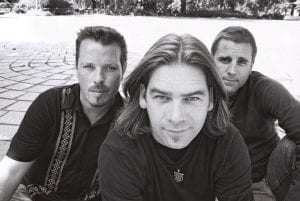
picture of alan doyle with friendsHis son Alan, born in 1969, grew up at that kitchen table. He learned the old songs there — fishing songs, sailing songs, mummering songs, the songs that came over with Irish settlers two centuries ago and never quite stopped being Irish. He learned the newer ones at school dances. At Memorial University in St. John’s, he met three friends who knew the same songs and wanted to do something with them.

In 1993, the four of them — Alan Doyle, Bob Hallett, Séan McCann, Darrell Power — formed Great Big Sea.

What Great Big Sea did was take the songs Alan’s father had hitchhiked home to sing, and arrange them for a stadium. Fiddle, accordion, bodhrán against rock guitars. Every Newfoundland reel rearranged for a Canadian arena audience. They toured every province and most of the world. They sold over a million records. They made every audience they played for understand what a kitchen party meant in the place those songs came from.

Alan Doyle has never moved away. He acts in films (you may have seen him beside Russell Crowe in Robin Hood). He has written two memoirs. He runs his own festival back home.

Here is what I have noticed about small towns.

They remember the people who left.

They remember the people who stayed.

And every once in a while, they produce somebody who manages to do both at once — leave often enough to be heard, return often enough to be home.

castor remembers

CASTOR
REMEMBERS

A memory from another town

I have seen a lake monster once. Or I have not.

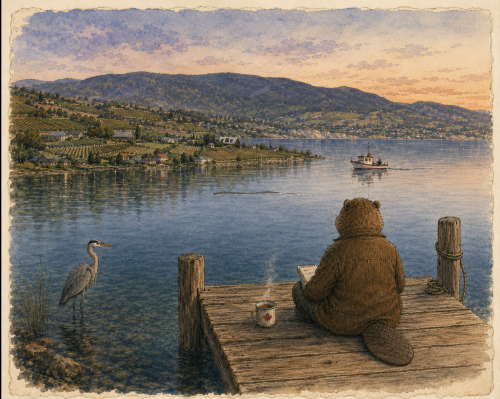
One summer evening I sat on a dock at Naramata, BC and watched the water for an hour.

Naramata is on the east side of Okanagan Lake, north of Penticton, south of Kelowna. About two thousand people. Orchards above the lake. The water there is unreasonably clear in the early evening. You can see down a long way.

The lake monster the rest of the country calls Ogopogo does not, in fact, go by that name on this water. The Syilx Nation, whose territory includes the lake, calls him n’x̌ ax̌aitkʷ — a sacred spirit of the valley, a guardian of the lake.

The Ogopogo name is the tourist version, taken from a 1920s vaudeville song. The Syilx Nation has formally registered n’x̌ ax̌aitkʷ as a protected name.

The other name keeps doing what it has always done, which is sell t-shirts.

The evening I am thinking of, there was a fishing boat half a kilometre out. There was a kid with a bike on the shore. There was a heron.

There was, for one moment, a long thin shape moving toward the boat that may have been a log and may have been a wave and may have been something else. And then was gone before I could decide.

I do not say I saw n’x̌ ax̌aitkʷ that evening.

I say only that I sat there for an hour and that the lake watched me back the whole time.

I have thought of him every summer since.

naramata BC

A READER WRITES

You write Castor. Castor asks the cousin there.

→ Roger Tiessen wrote on the 1000towns Wheatley, Ontario, page on May 21: “When is the big boyz four-day fishing contest this 2026 summer, thanks.”

Roger — I called Cousin Wheatley as soon as I saw your note. Here is what he said.

The official 2026 dates are not posted yet. The Big Boyz Tournament has run on the Civic Holiday long weekend for as long as the Southwest Outdoors Club has organized it, out of Wheatley Harbour.

In 2024 and 2025 it ran August 1–5 — four days centred on the holiday Monday. He says to expect the same shape for 2026: very likely Friday, July 31 through Monday, August 3, give or take a day depending on when the club locks the calendar.

He says the club posts the official dates on their site when they have them. He says we will repost the moment they do.

He says: Wheatley Harbour. First weekend of August. Lines in by sunrise. Bring a cooler. Come hungry. The fish fry is the point.

Thanks for writing, Roger.

— Castor

WHERE AM I?

A puzzle this week. The answer is in next week’s letter

This week, one question is enough:

→ Which Canadian village of about 1,500 people claims to feed the world one-third of its fries — and has the receipts?

Answer next Monday.

P.S. — My people have been recruited to a cause.

The World Cup started last week. Canada is hosting it. So are the United States and Mexico. The first time three countries have done it together.

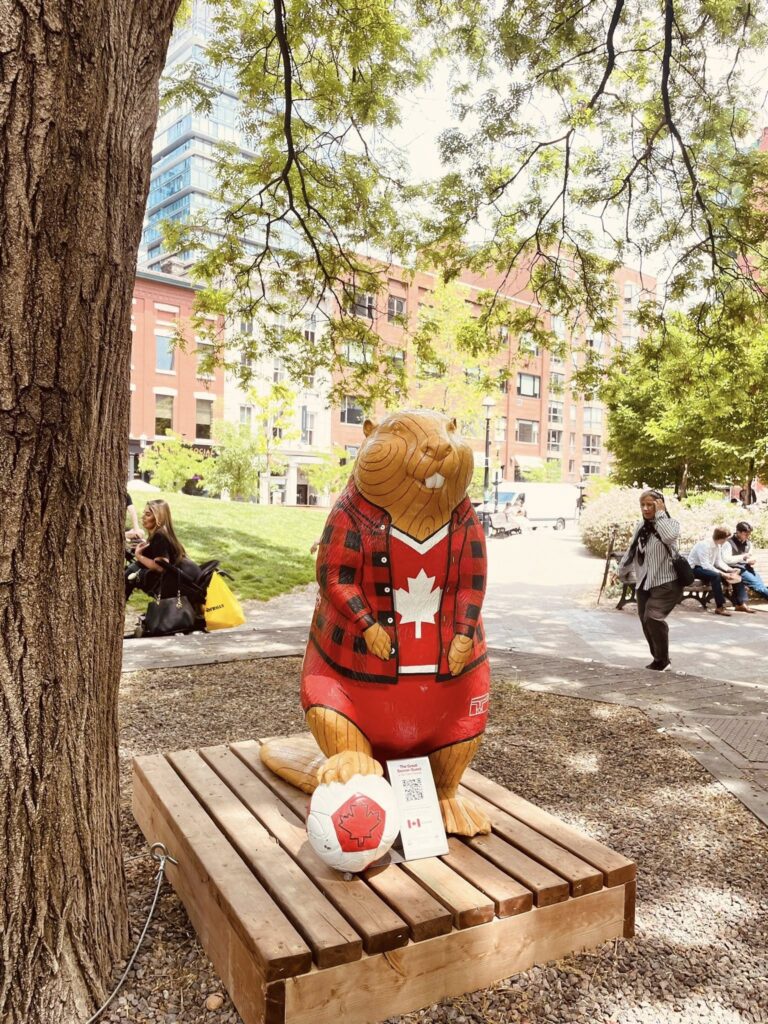
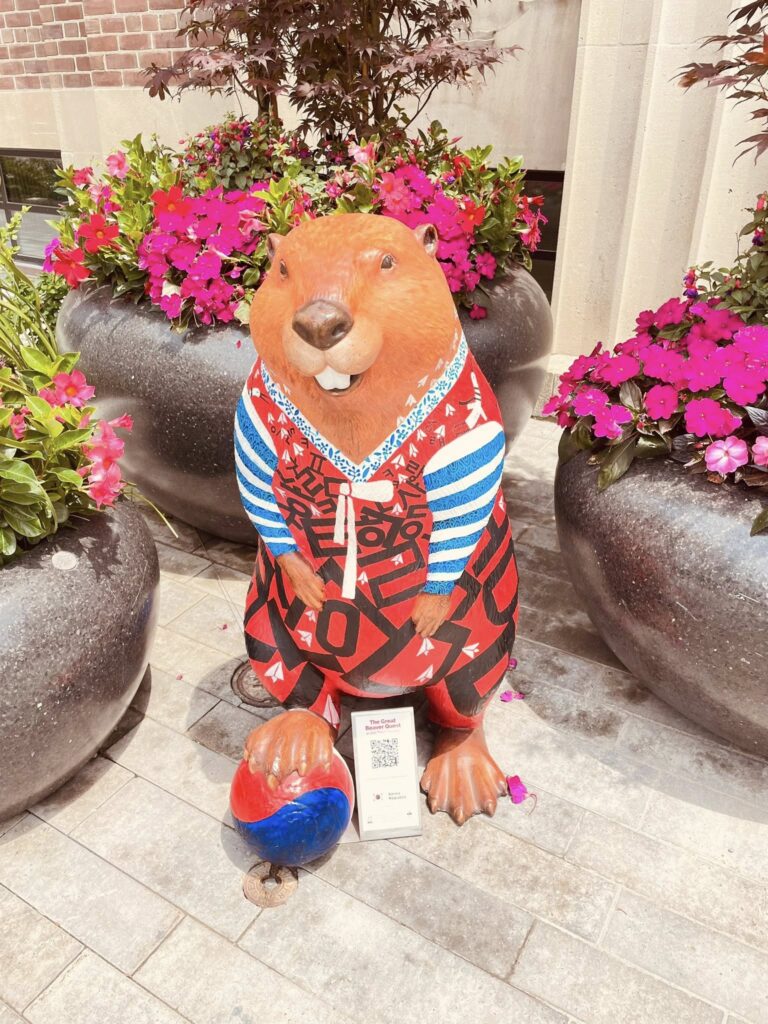
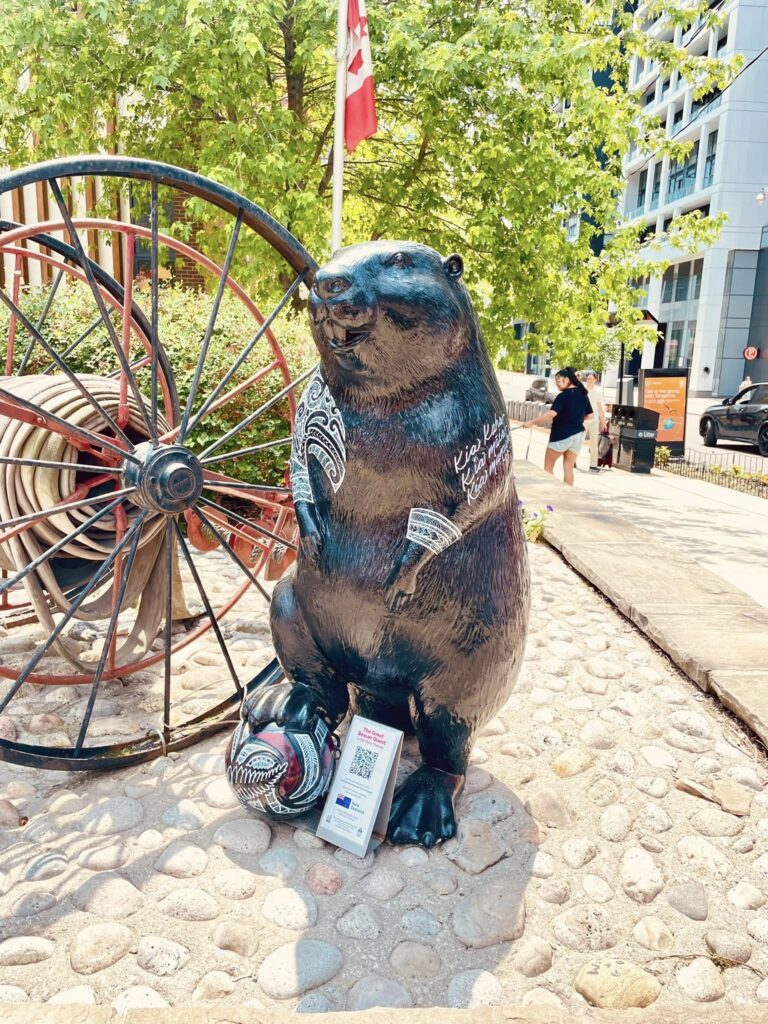
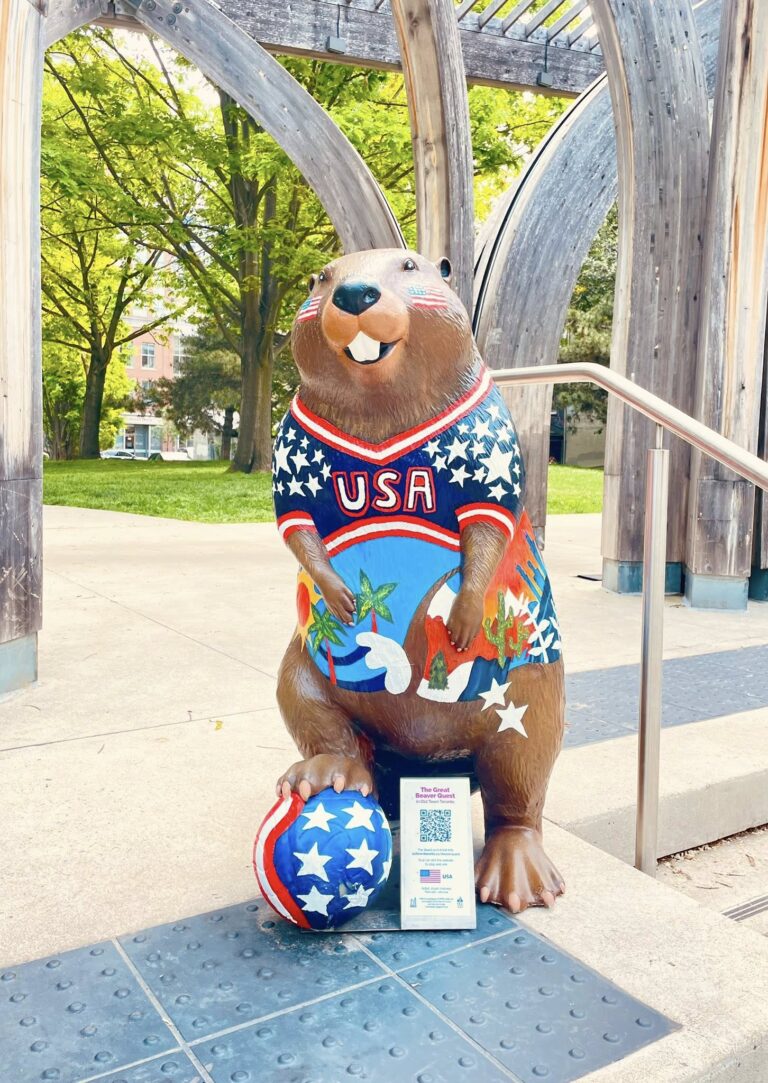
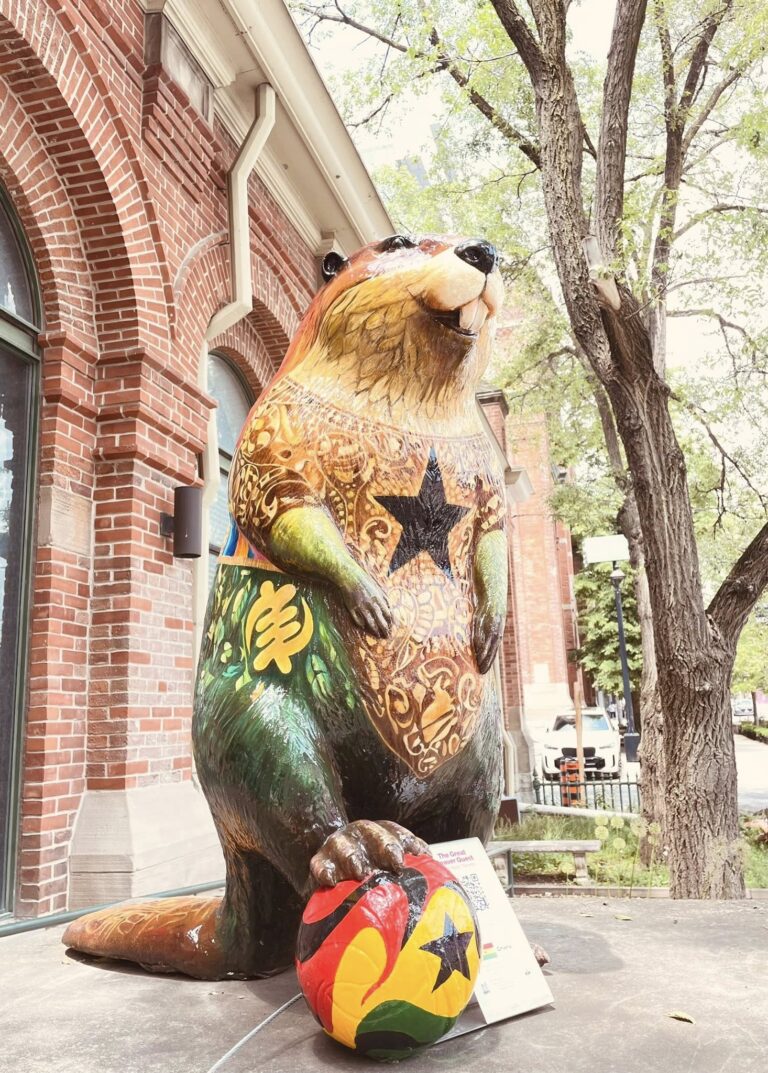
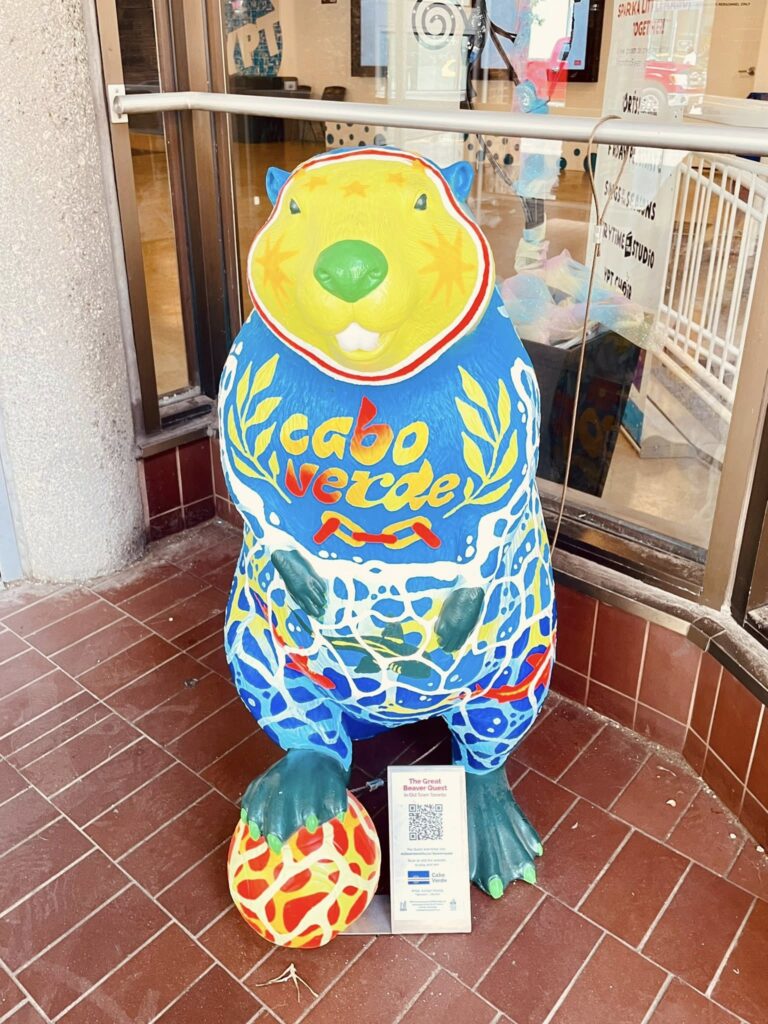
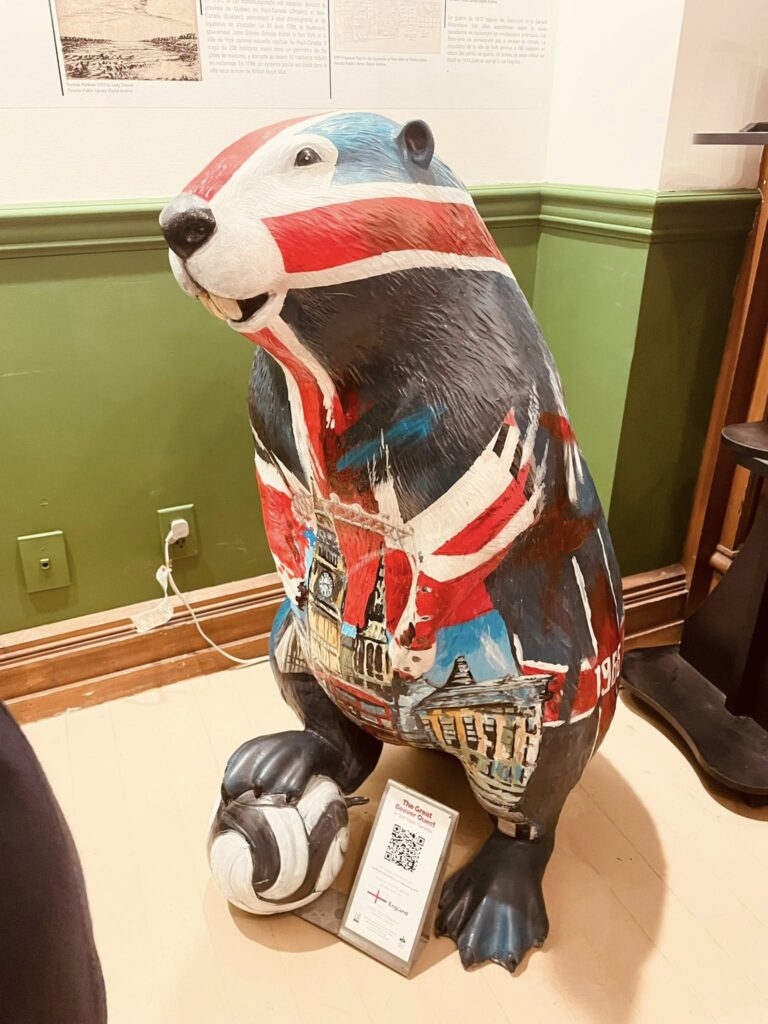
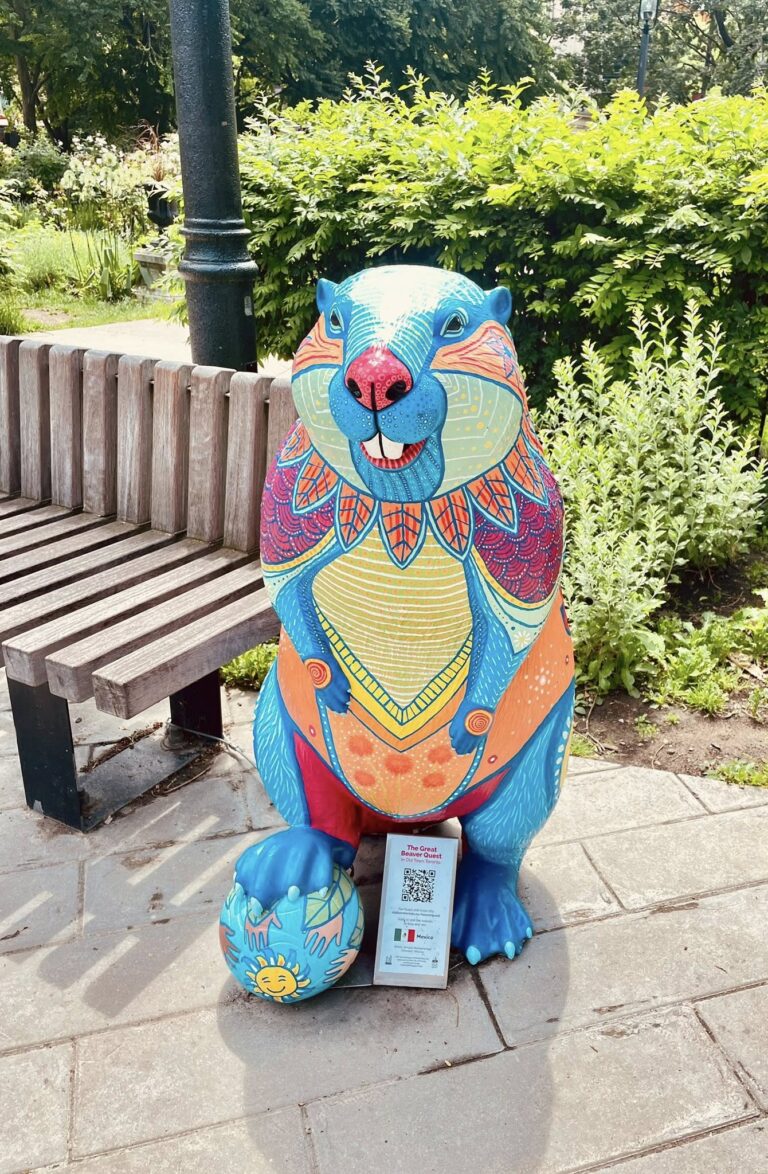
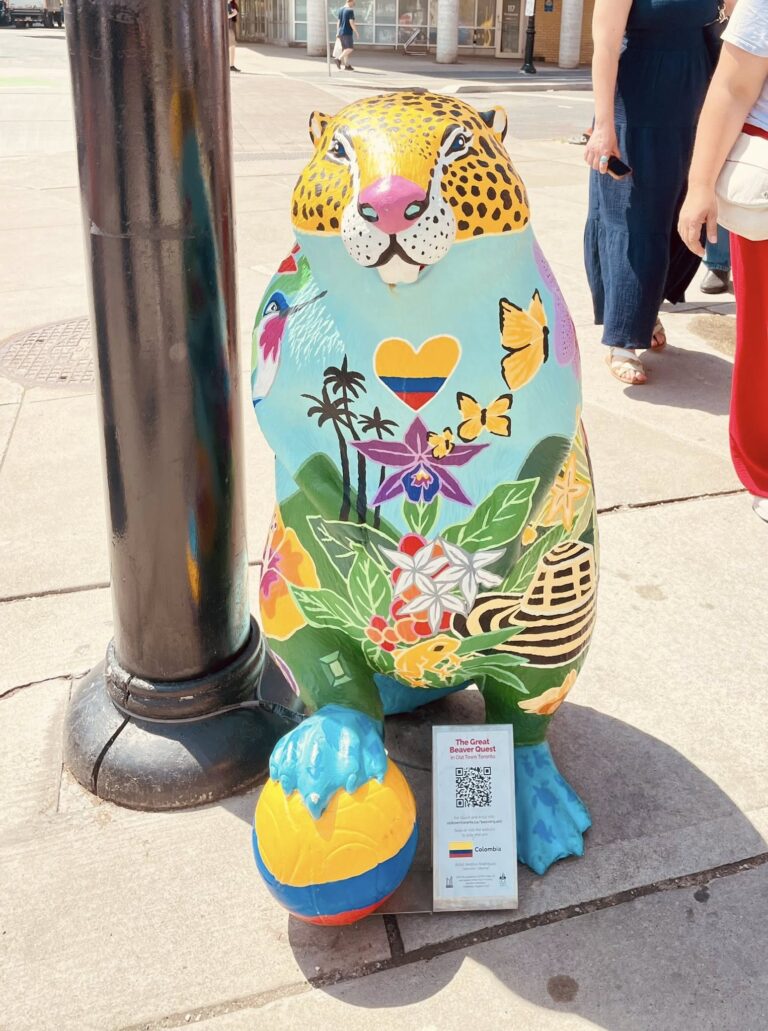
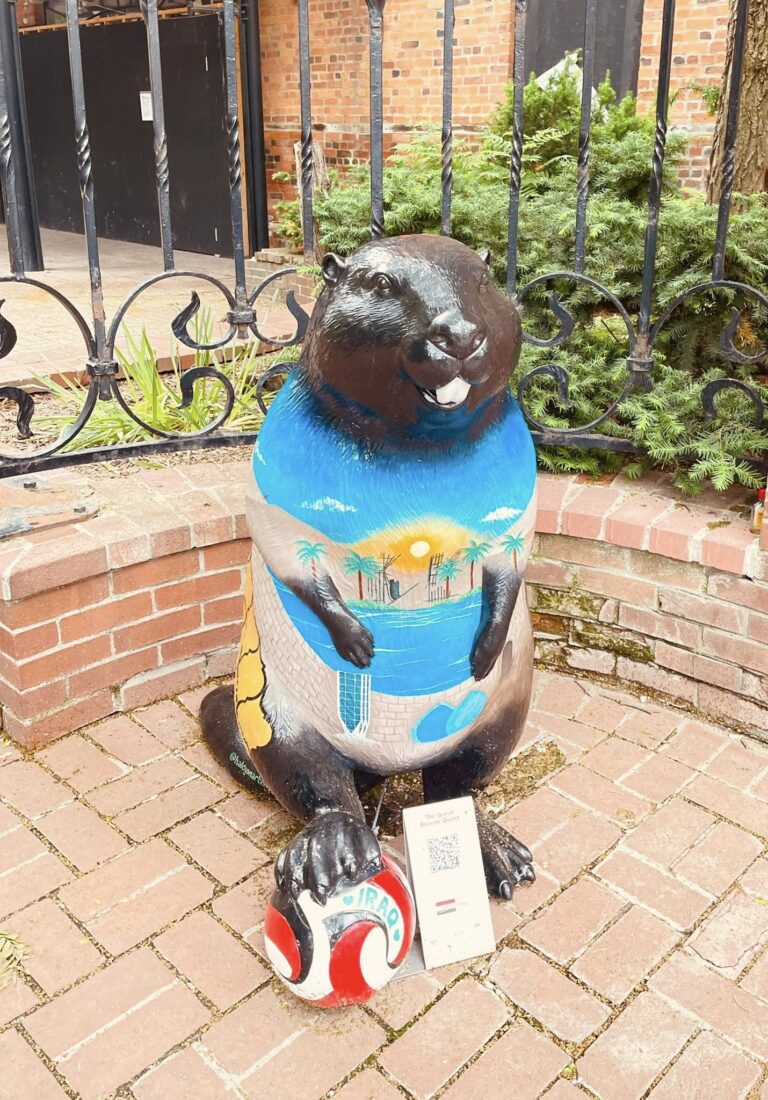
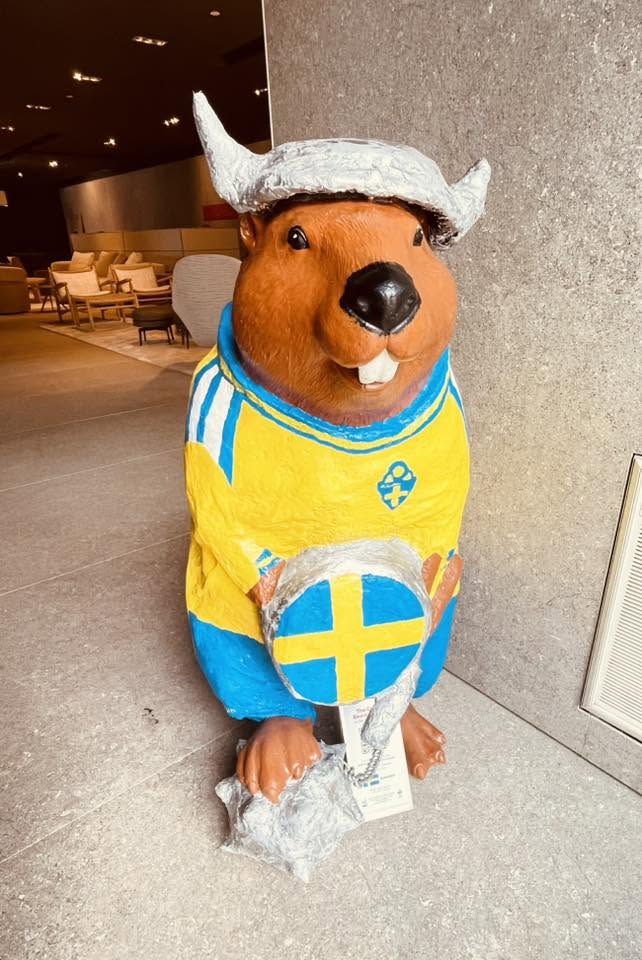
Downtown Toronto has set out fifty-one four-foot beaver statues. Berczy Park. St. Lawrence Market. The Hockey Hall of Fame, of all places. They are the country’s welcome to the visitors. They are calling it the Great Beaver Quest.

The beavers stay until July 19. The World Cup ends the same day. The dates were chosen on purpose.

I do not normally write about Toronto. I will make an exception when my people are involved.

Cousin Taber will keep the radio on in the kitchen.

— C.

Photos: Natalia Dankovtseva

The walls of the small arena in Taber are coming back together.

The sun in Inuvik is not coming down.

Sunday, look up around nine o’clock.

I’ll write next week from somewhere else.

Yours in maple,

P.S. 991 cousins counted. Nine more to a thousand.

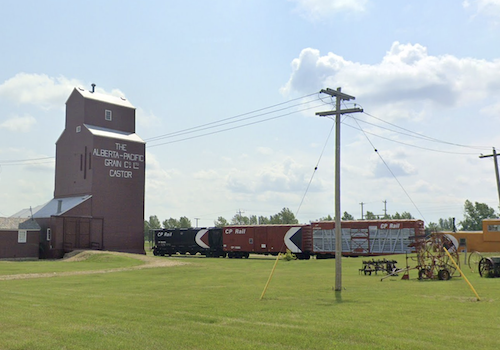
Castor’s hometown is Castor, Alberta — population 876, where the streams east of Red Deer kept the family in dam-builders for generations.

Read about Castor, Alberta →

Subscribe to Castor’s Letters

Leave a Reply

Your email address will not be published. Required fields are marked *

Who Are You?

Any changes to the place info will be reviewed by 1000 Towns of Canada.